

Towing Tips
Ford Truck Towing Tips: Tow with Confidence
Whether you're towing a boat to the lake, a camper for a weekend getaway from Delhi, IA, or equipment for work over in Earlville, IA, Ford trucks provide impressive capability across the lineup. Understanding your vehicle's towing limits, maintaining your truck properly, and following safe towing practices can help ensure every trip is safe and stress-free.
Know Your Ford Towing Capacity
Before connecting a trailer, it's important to understand your truck's maximum towing capacity. When properly equipped, the Ford Maverick can tow up to 4,000 pounds, making it ideal for drivers in Edgewood, IA who own small boats, utility trailers, and personal watercraft.
The Ford Ranger increases capability with up to 7,500 pounds of towing capacity, making it a great choice for folks in Farley, IA who own larger boats, campers, and enclosed cargo trailers.
The Ford F-150 offers up to 13,500 pounds of towing capacity, providing the versatility needed for recreational and work-related towing.
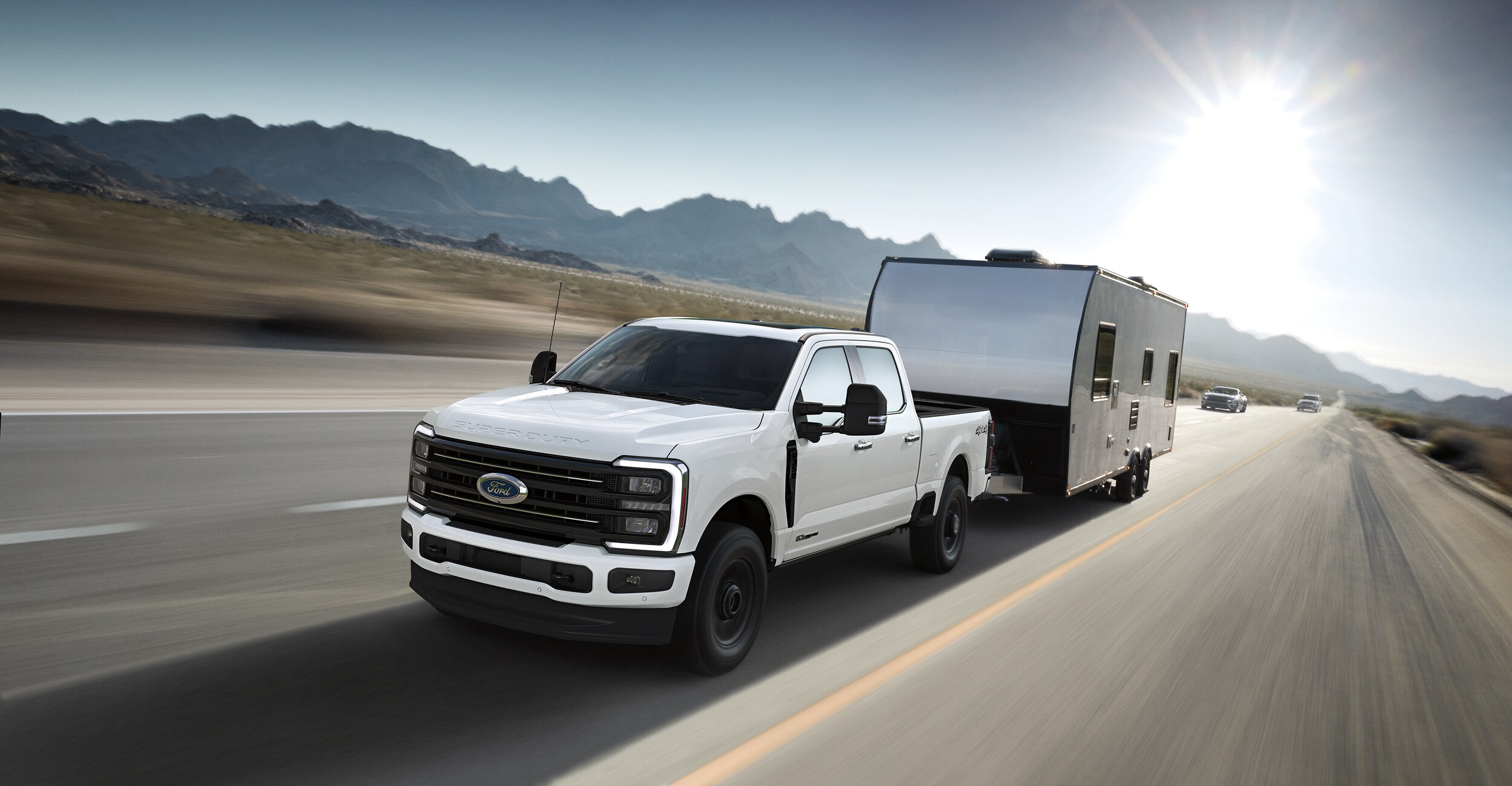
Drivers from Manchester, IA with heavier towing needs can turn to the Ford F-250 Super Duty, which can tow up to 22,000 pounds conventionally and up to 23,000 pounds with a gooseneck or fifth-wheel setup.
At the top of the lineup, the Ford F-350 Super Duty can handle up to 28,000 pounds of conventional towing and as much as 38,000 pounds when properly configured with a gooseneck trailer.
Keep in mind that actual towing capacity varies based on engine choice, drivetrain, axle ratio, cab configuration, payload, and towing equipment. Always consult your owner's manual and vehicle-specific ratings before towing.
Choose the Right Trailer for the Job
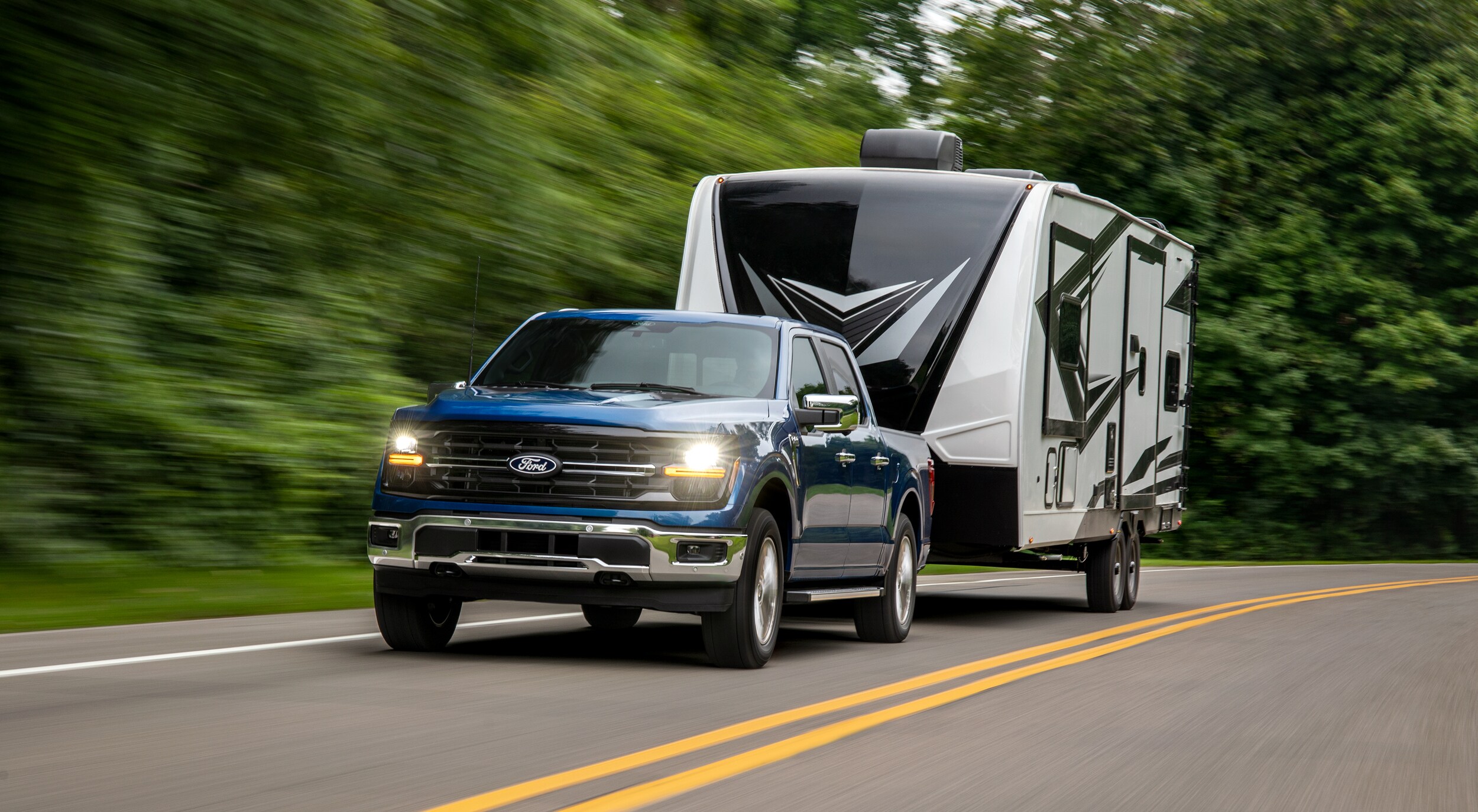
Not all trailers tow the same way. Trailer design can significantly impact handling, stability, and towing performance. Understanding the differences between trailer types can help you choose the right Ford truck for your needs.
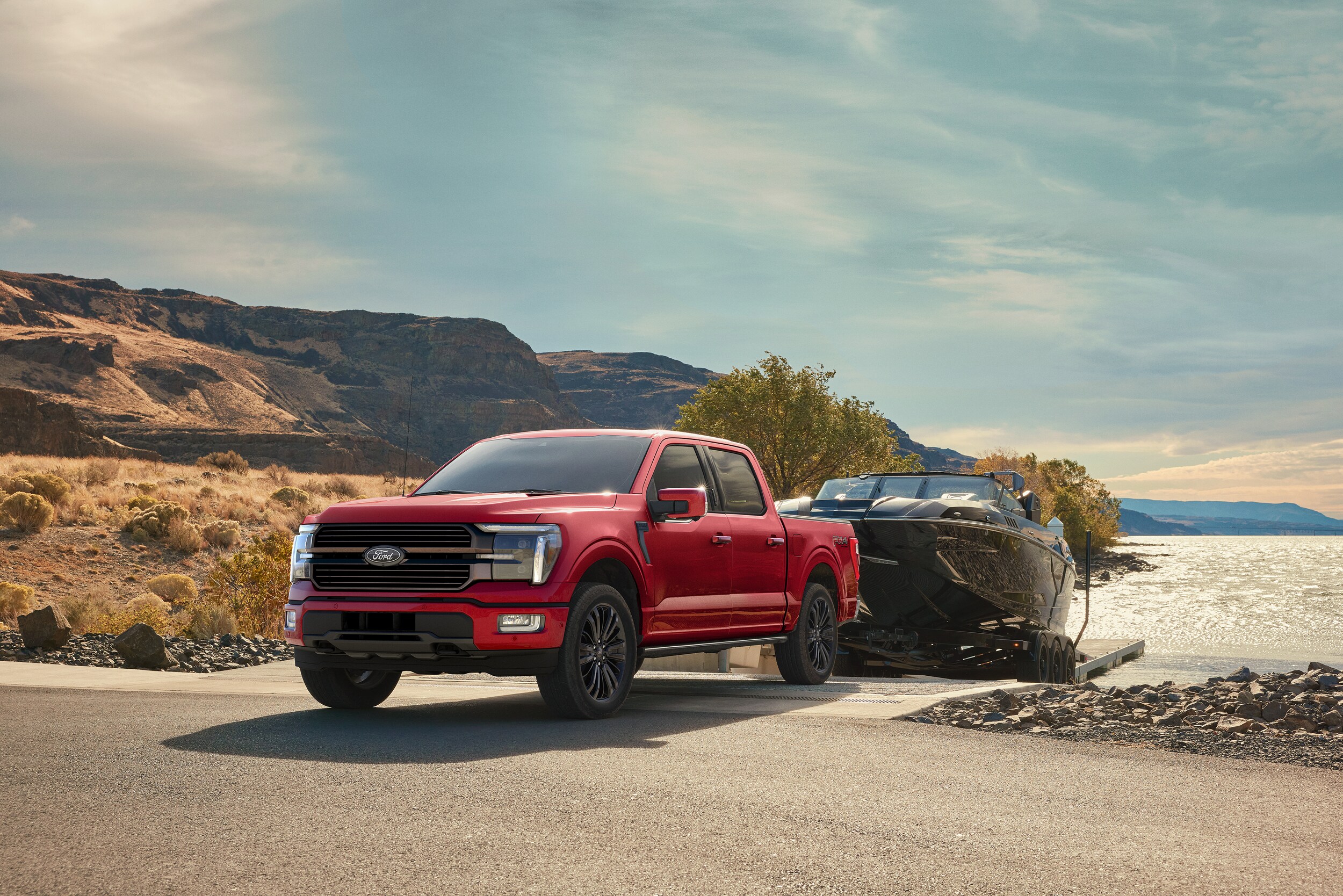
For example, a boat trailer may tow differently than an enclosed cargo trailer even at the same weight. Boats often create less wind resistance but can have unique weight distribution characteristics depending on how they are loaded. Enclosed trailers, campers, and equipment trailers typically create more aerodynamic drag, placing additional demands on the tow vehicle and potentially reducing fuel economy.
Load Your Trailer Properly
Proper weight distribution is essential for safe towing. A trailer that is loaded incorrectly can negatively impact steering, braking, and overall vehicle control. In general, tongue weight should be approximately 10 to 15 percent of the total loaded trailer weight. Too little tongue weight can lead to dangerous trailer sway, while too much can overload the rear suspension and reduce front-end steering control.
Cargo should be secured and distributed evenly to maintain trailer balance. Before every trip, verify that all tie-downs are secure and that nothing can shift during transport.
Single-Axle vs. Dual-Axle Trailers
Single-axle trailers are commonly used for lightweight applications such as utility trailers, jet skis, and small fishing boats. They are often easier to maneuver, weigh less, and cost less to maintain. However, they may be more susceptible to trailer sway, especially at highway speeds or in windy conditions. Luckily, most all of our new Ford Trucks are equipped with AdvanceTrac with Roll Stability Control, helping you to mitigate and manage trailer sway for a more comfortable and stress-free ride.
Dual-axle trailers offer greater stability and higher load capacity. They are frequently used for larger boats, travel trailers, car haulers, and equipment trailers. The additional axle helps distribute weight more evenly and can provide better handling during long-distance towing. However, the added weight of a dual-axle trailer should be considered when determining your truck's towing requirements.
Prioritize Safety Inspections
Every towing trip should begin with a complete safety inspection. Check that the hitch is securely connected, safety chains are attached properly, trailer lights are functioning, and trailer brakes are operating as intended. Tire pressure should be checked on both the truck and trailer, as underinflated tires can generate excess heat and increase the risk of failure.
Drivers should also allow for longer stopping distances when towing and avoid sudden steering inputs that could cause instability. Features such as the Ford Brand's available Trailer Sway Control and integrated trailer brake controllers can provide additional confidence when towing heavier loads.
Maintenance Matters When Towing
Towing places additional stress on your truck's engine, transmission, brakes, cooling system, and tires. Following the recommended maintenance schedule at our Ford service center in Dyersville, IA is one of the best ways to protect your investment and maintain towing performance.
Regular oil changes, transmission fluid inspections, brake system checks, cooling system service, and tire maintenance are all important for vehicles that tow frequently. Trailer maintenance is equally important, including wheel bearing inspections, brake service, tire replacement, and lighting checks.
Tow with Confidence in a Ford Truck
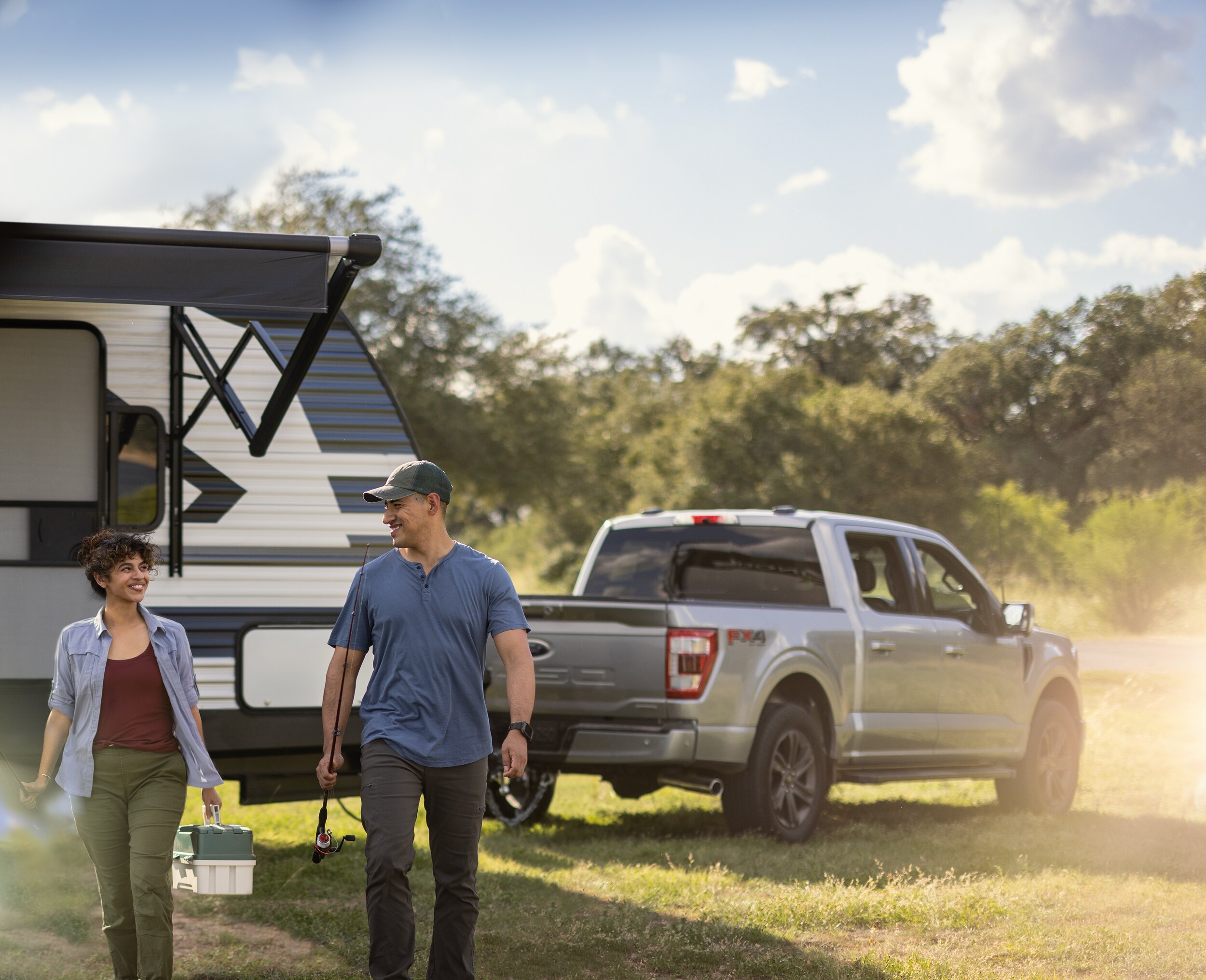
Whether you're towing a small fishing boat with a Ford Maverick, a camper with a Ranger or Ford F-150, or heavy equipment with a Super Duty F-250 or Ford F-350, understanding your vehicle's capabilities is the key to safe and successful towing. By matching your truck to the correct trailer, maintaining your equipment, and following proper loading procedures, you can enjoy confident towing wherever your adventures or work take you. If you'd like to learn more about towing, or browse our pre-owned lineup of used SUVs and used trucks that are ready to tow, feel free to visit us at Victory Ford today.
How can we help?
* Indicates a required field
-
Victory Ford
30584 Olde Hawkeye Rd
Dyersville, IA 52040-8028
- Sales: 563-875-2409
Loading Map...