


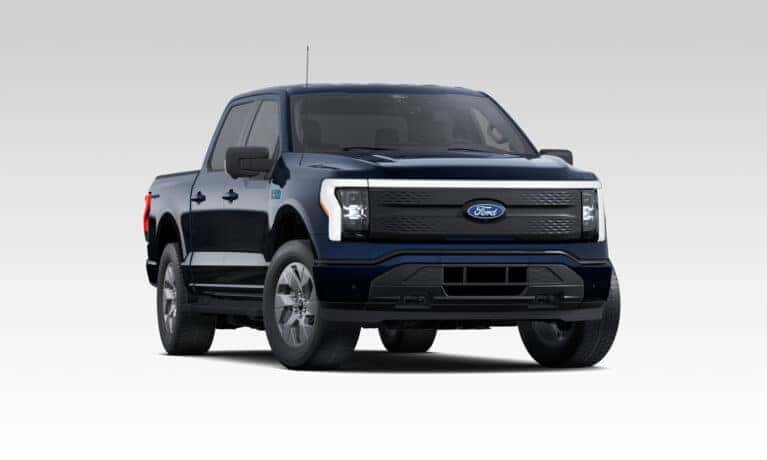
Can You Drive the Ford F-150 Lightning on Gravel Roads? Midwest Performance Guide
Introduction: Ford’s Electric Truck Meets Rural Iowa
As electric vehicles gain traction in cities, rural drivers are asking tougher questions—like, “Can the Ford F-150 Lightning handle my gravel road, field, or snowy access lane?” The good news? It absolutely can.
The F-150 Lightning isn’t just a city EV—it’s a real truck built for real work. This guide breaks down how it performs in rural Midwest settings like West Branch, from farm driveways to hunting trails.
The Short Answer: Yes, the F-150 Lightning Handles Gravel Roads Well
The Lightning is based on the rugged F-Series platform and comes with:
- Standard 4×4 all-wheel drive
- High ground clearance
- Instant torque for traction
- Independent rear suspension
These features help it perform confidently on loose gravel, muddy trails, and uneven terrain—no modifications needed.
Key Features That Make the Lightning Rural-Ready
1. Heavy-Duty Traction on Loose Surfaces
The truck’s low center of gravity (thanks to the battery pack) and instant torque delivery give it impressive grip—especially when climbing hills or pulling loads on gravel.
2. Strong Off-Road Capability
Every Lightning includes:
- Skid plates and underbody protection
- Optional all-terrain tires
- Electronic locking rear differential (LARIAT and Platinum trims)
3. Real Truck Suspension
Unlike many EVs, the Lightning uses an independent rear suspension, improving comfort and stability on washboard roads or when hauling gear.
Towing + Gravel: How the Lightning Performs
Need to haul a trailer to the field or lake?
- Tows up to 10,000 lbs (with Max Tow package)
- Pro Trailer Backup Assist™ helps you reverse on narrow gravel drives
- BLIS® with Trailer Coverage alerts you to side traffic—even when towing
Tip: Gravel driving while towing reduces range faster—plan your trip and use built-in range estimators.
Charging the Lightning in Rural Areas
In Eastern Iowa, your options include:
- At-home Level 2 charger (ideal for farms and acreages)
- Public DC fast chargers in Iowa City, Coralville, and along I-80
- RV parks or ag buildings with 240V plugs for occasional top-ups
What to Watch Out For on Gravel Roads
While the Lightning performs well, rural drivers should know:
- Battery weight means it sinks in soft, muddy areas
- Sharp rocks can affect tire wear—use reinforced all-terrain tires
- Dust and mud can accumulate on electronics—rinse the underbody regularly
Why Rural Drivers Love the Lightning
- Silent operation for hunting, livestock, and early-morning starts
- Low maintenance: no oil changes, belts, or spark plugs
- Pro Power Onboard: 120V/240V outlets in the bed—great for tools, tailgates, or emergency use
- Built-in scale and range calculator helps plan jobs
Real Feedback from Midwest Truck Owners
Actual Ford Lightning owners in Iowa and nearby areas have shared the following:
“I’ve taken my Lightning down miles of B-level roads and had zero issues.”
— Reddit user from Iowa City, IA
“Pulls my utility trailer like a champ. Plus, it powers my tools without a generator.”
— Reddit user from Tipton, IA
These testimonials show that the Lightning isn’t just capable—it’s already proving itself on rural roads across the Midwest.
FAQs: F-150 Lightning on Gravel
Q1: Can I take my Lightning through a field or pasture?
Yes—just be cautious in deep mud or snow. It’s built tough, but it’s still an EV.
Q2: Do I need special tires for gravel roads?
Factory tires work fine, but all-terrain options are available and ideal.
Q3: Will range drop on gravel or dirt roads?
Yes, expect 10–20% less range when off-pavement, especially with a load or trailer.
Q4: Can I charge at home if I live in the country?
Yes! A Level 2 charger is easy to install with a 240V outlet in a shop or garage.
Final Thoughts: Built Ford Tough—Even Without Gas
If you’re in West Branch or anywhere in Eastern Iowa, the Ford F-150 Lightning is a serious option—even if you spend more time on gravel than concrete. It’s tough, capable, and surprisingly quiet.
Categories:
F-150 Lightning